Provence is a popular region for tourists. They flock to sites such as the Pont du Gard; the cities of Nîmes and Arles, and Avignon to see Roman ruins and the lavender fields. However, the Provençal region is known for more than artists and architecture – it is also celebrated for its wines.
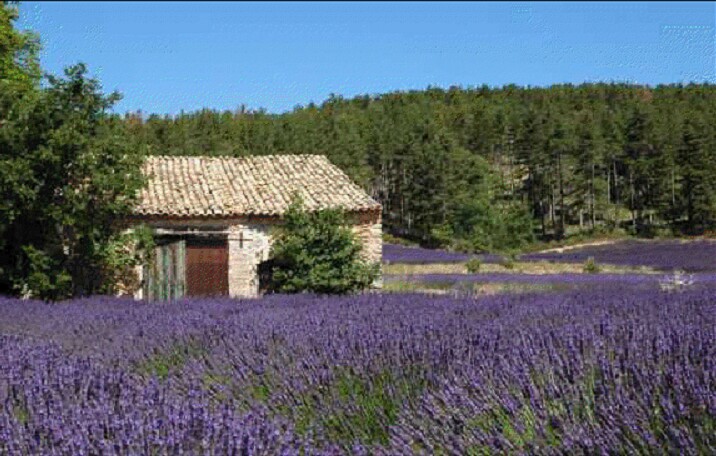
Vineyards & lavender fields = Provence
Provence has been producing wine since the Greeks founded the city of Marseilles. It contains eight major wine regions with AOC designations. These regions produce red and white wine, but the most popular wine of the area is rosé.
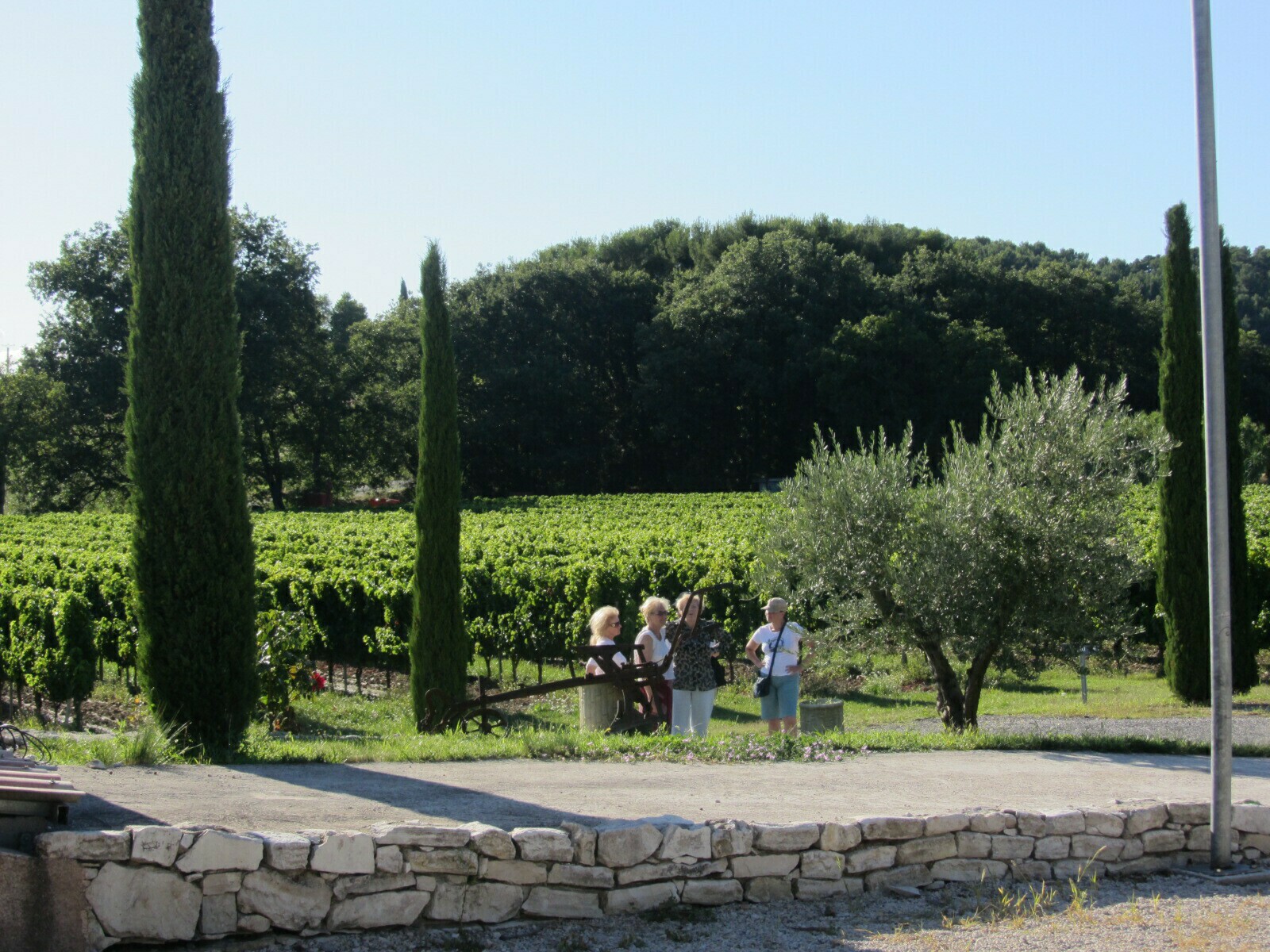
Vineyard in Provence
Rosé is created in many of the AOC designated areas in Provence, but the Côtes de Provence AOC accounts for nearly 80% of this prolific region’s wine. Other regions in Provence are Coteaux d’Aix-en-Provence, Bandol, Cassis, Coteaux Varois.
Rosé is not a blend of red and white wine, but is made from red, black or purple grapes. Provençal winemakers use the red grape varieties that are found in the region. The main grape varieties found in this region are carignan, cinsaut, Grenache, mourdèvre and tibouren, as well as cabneret sauvignon and syrah. What gives rosé its pink hue is the fact that rosé producers keep the grape skins in contact with the juice for only a brief time. After that, the pink-tinted juice is drained from the skins. Rosé is not just one color; the wine can range from a pale pink to a deeper shade of salmon or coral. The flavor of rosé tends to be a more subtle version of the red wine varietals; one can taste strawberry, cherry, raspberry with some citrus and even watermelon. This kind of wine is perfect for spring and summer, and is usually served chilled.
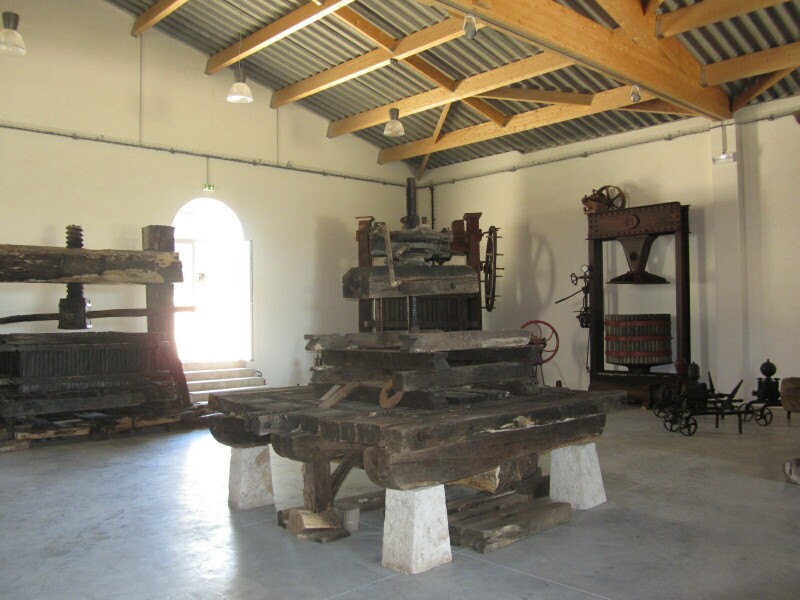
Wine museum at Chateau Turcan
Now that you are in the Provençal region, you have found your appellation and now you want to drink it. What goes well with rosé? Well, almost anything! Rosé can handle both the steak and seafood of a “surf and turf” entrée, and can also go with the sandwiches, fruit and salads that accompany a picnic. Rosés can also go with a backyard barbecue. Like spicy food? Rosé can handle that, too, and pairs well with spicy meats and dishes. And, if you’d like, you can have just a glass of rosé while you enjoy the sunset with friends.

Enjoy a glass of wine with friends
The next time you’re in Provence, make sure that you stop by to visit a winery in some of the AOC regions of the province. Buy a bottle or two, visit the local charcuterie and boulangerie, and enjoy the how the flavors meld together as you eat.
For more information:
http://www.frenchtraveler.com/our-provence-wine-tour/
http://www.provencewineusa.com
www.buzzfeed.com/rachelysanders/what-you-need-to-know-about-rose-wine-facts
http://www.i-winereview.com/FoodWinePairingAdventures/1004rose.php
http://www.terroir-france.com/wine/provence.htm

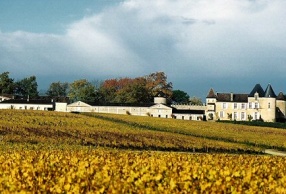 The best known vineyard in Sauterne region is the beautiful Chateau d’Yquem which once belonged to Eleanor, Duchess of Aquitaine. After she and King Louis VII of France divorced and she married Henry Plantagenet, the future King Henry II of England in 1154, the chateau came under British dominion until the end of the Hundred Years War in 1453, a most royal and British estate. Back under French control in 1593, the chateau has been improved and modified several times under the watchful eye of the Sauvage and Lur-Saluces families, and has produced award-winning wines over the centuries. Thomas Jefferson bought several cases in 1784, proclaiming it the best wine of Bordeaux. Today partially owned by the luxury marketing group LVMH, it possesses approximately 226 acres of vineyards, although not all are in production at any one time, allowing for elimination of elderly vines and replanting in fallow plots. The mix of the grapes is 80% Semillon and 20% Sauvignon Blanc, with none of the permitted Muscadelle. The grapes are harvested by hand in several different batches and fermented in oak, usually about three years per barrel.